Hemophilia societies support people with hemophilia and other inherited bleeding disorders through access to care, education, advocacy, and community programs. They work locally, nationally, and globally to improve diagnosis, treatment, and quality of life.
The World Federation of Hemophilia (WFH) is the leading international organization for inherited bleeding disorders. Founded in 1963 and headquartered in Montreal, Canada, it partners with national member organizations in over 140 countries to improve diagnosis, treatment, and care. WFH advances the vision of “Treatment for All,” convenes the WFH World Congress, and publishes clinical guidelines and educational resources.
Hemophilia Federation (India) is the national organization supporting people with hemophilia and other bleeding disorders across India. HFI works with local chapters to strengthen access to factor concentrates where available, enable comprehensive care, physiotherapy and counselling, and advocate for sustainable care and patient rights.
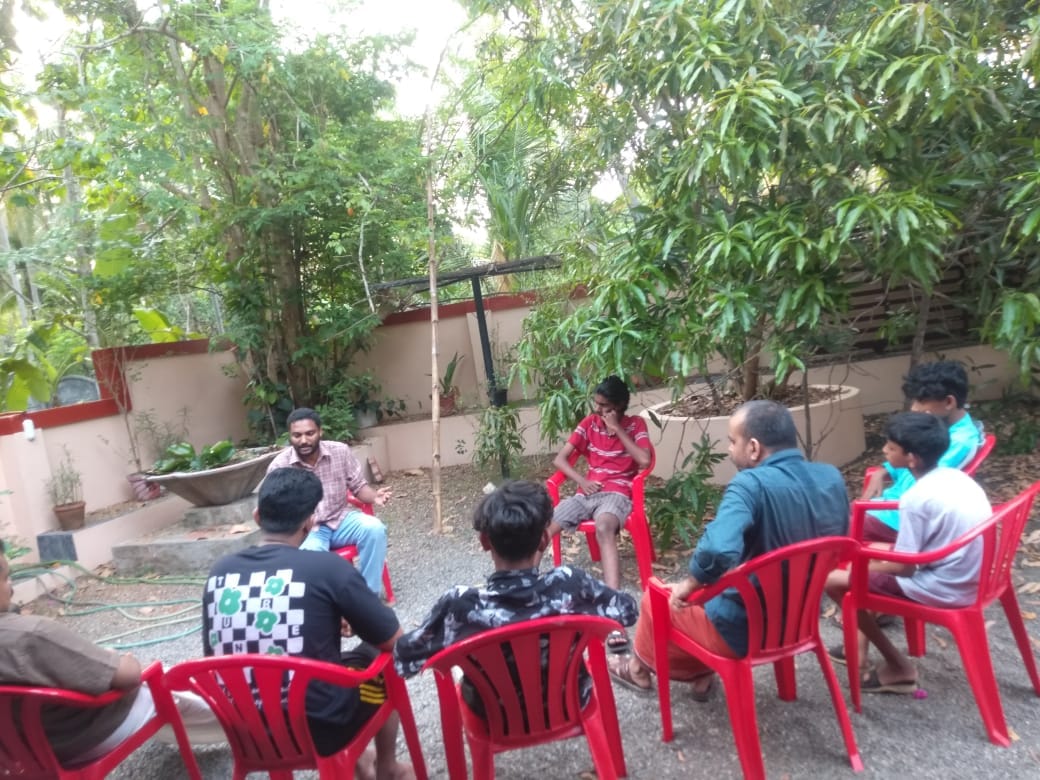
Local chapters connect families with treatment centers, coordinate factor support where available, arrange physiotherapy and rehabilitation camps, offer education sessions on bleed prevention and first aid, and build community through peer groups and events.
Hemophilia is an inherited bleeding disorder in which blood does not clot properly due to the lack of specific clotting factors (often Factor VIII in hemophilia A or Factor IX in hemophilia B). People with hemophilia can have prolonged bleeding after injury and may experience spontaneous internal bleeding, particularly into joints and muscles.
Care typically includes access to factor replacement or other therapies as available, physiotherapy to protect joints and mobility, and education on bleed prevention, first aid, and safe activity. Comprehensive care teams often include hematologists, nurses, physiotherapists, dentists, and counsellors.
Societies and chapters provide peer support groups, youth engagement and leadership training, women’s outreach for carriers and women with bleeding symptoms, and assistance linking families to care centers and social support.
Copyright 2024. Designed By Redorbe